

Frequently Asked Questions About Tooth Decay and Cavities
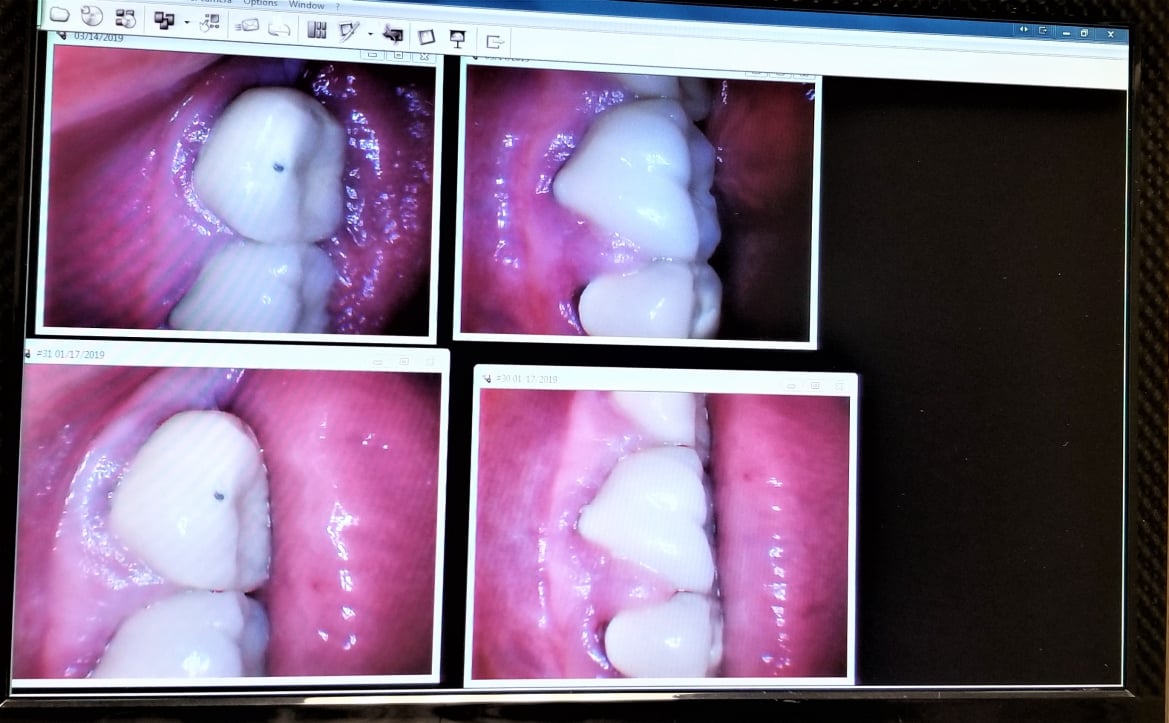
You may not know. Early cavities often have no symptoms at all, which is why regular dental exams are so important. By the time you feel pain or see a visible hole, the decay has already progressed beyond the earliest stage. Dr. Verzonilla can detect cavities long before they cause discomfort using a visual exam and digital X-rays.
Once a cavity has formed — meaning the enamel surface has broken through — it cannot heal on its own and requires a filling or other restoration. However, very early decay at the demineralization stage (a white spot on the enamel) can sometimes be reversed with fluoride, improved hygiene, and dietary changes before a cavity develops.
or most patients, a check-up and professional cleaning every six months is recommended. Patients with a higher risk of decay — due to dry mouth, a history of frequent cavities, or other factors — may benefit from more frequent visits. Dr. Verzonilla will recommend a schedule based on your individual needs.
Yes. Genetics can influence the thickness and composition of your enamel, the shape and depth of the grooves on your teeth, and the composition of your saliva. However, even patients with a genetic predisposition to cavities can dramatically reduce their risk with proper oral hygiene, regular dental care, fluoride, sealants, and a low-sugar diet.
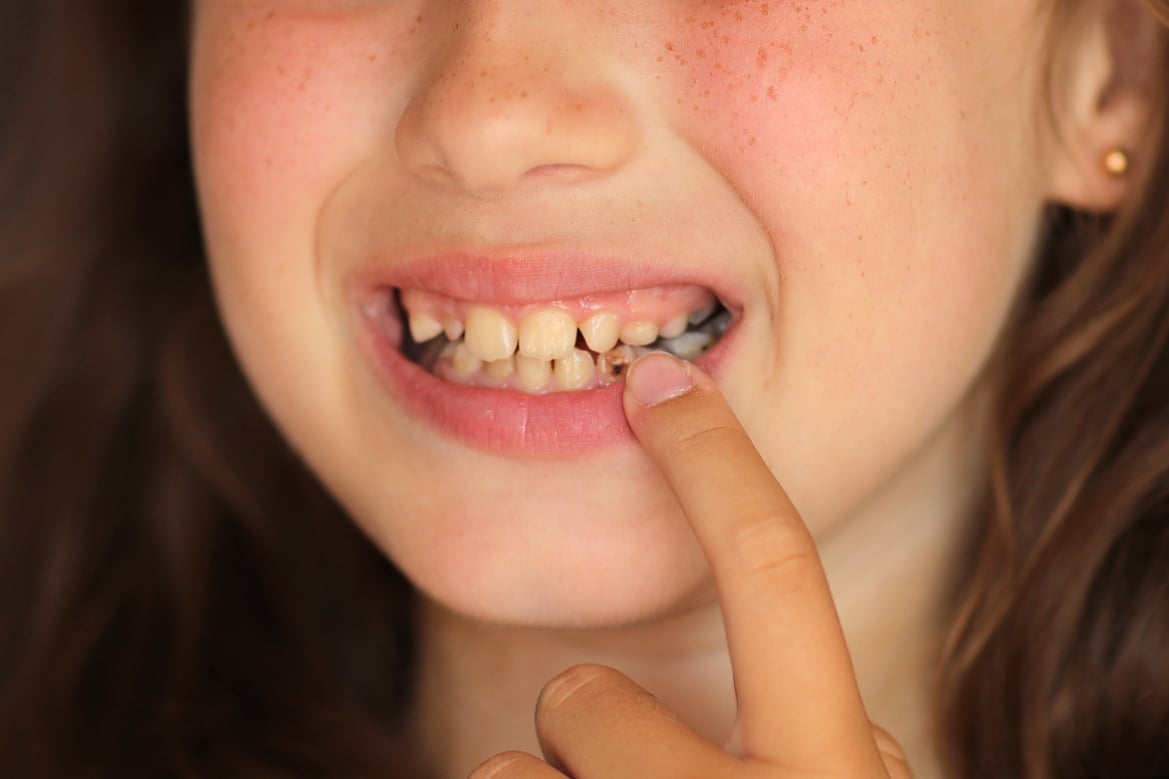
Absolutely. Baby teeth hold space for the permanent teeth and play a vital role in a child's ability to chew and speak properly. An untreated cavity in a baby tooth can cause pain, infection, and damage to the developing permanent tooth beneath it. Early treatment protects your child's health and comfort.
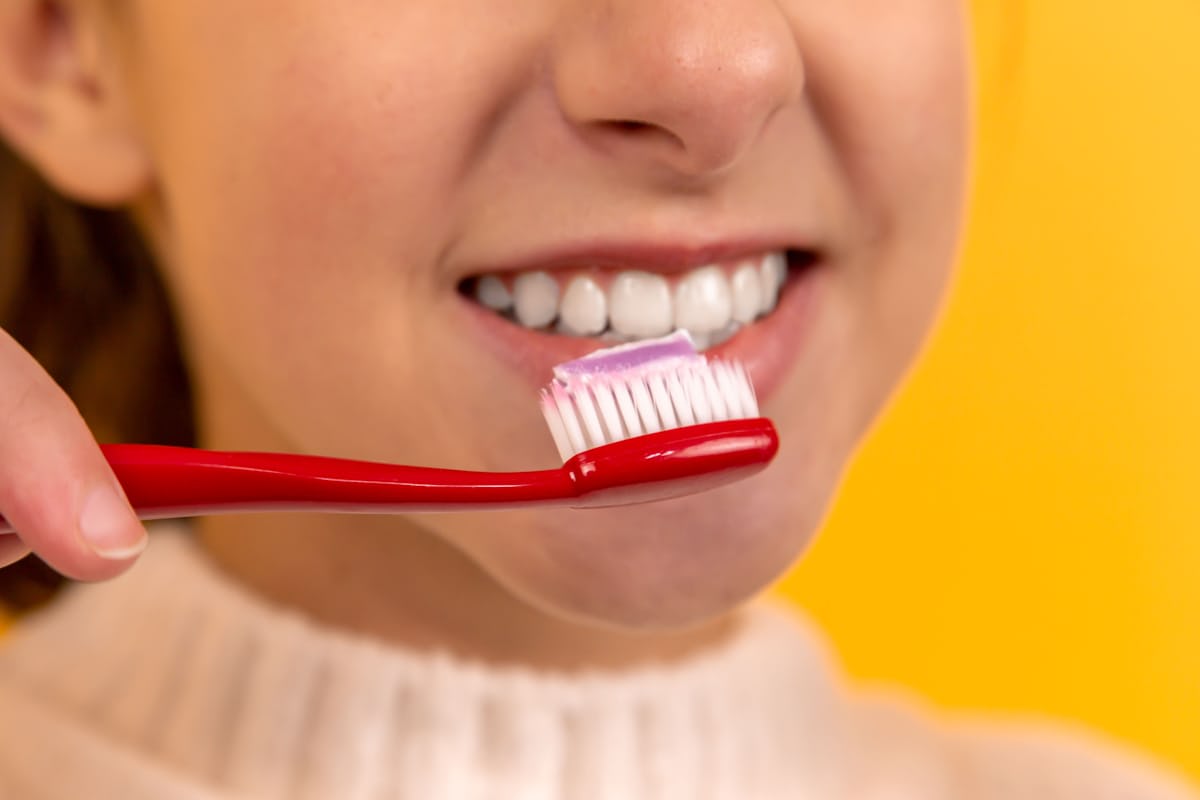
Look for a toothpaste that contains fluoride and carries a seal of approval from the Canadian Dental Association. Beyond that, the best toothpaste is the one you will use consistently — twice a day for two full minutes.
Silver amalgam fillings have been used for over a century and are considered safe by major health organizations. However, many patients choose to replace them with tooth-coloured composite fillings for cosmetic reasons or when the old filling shows signs of wear.
Dr. Verzonilla can evaluate your existing fillings and recommend whether replacement is appropriate.